
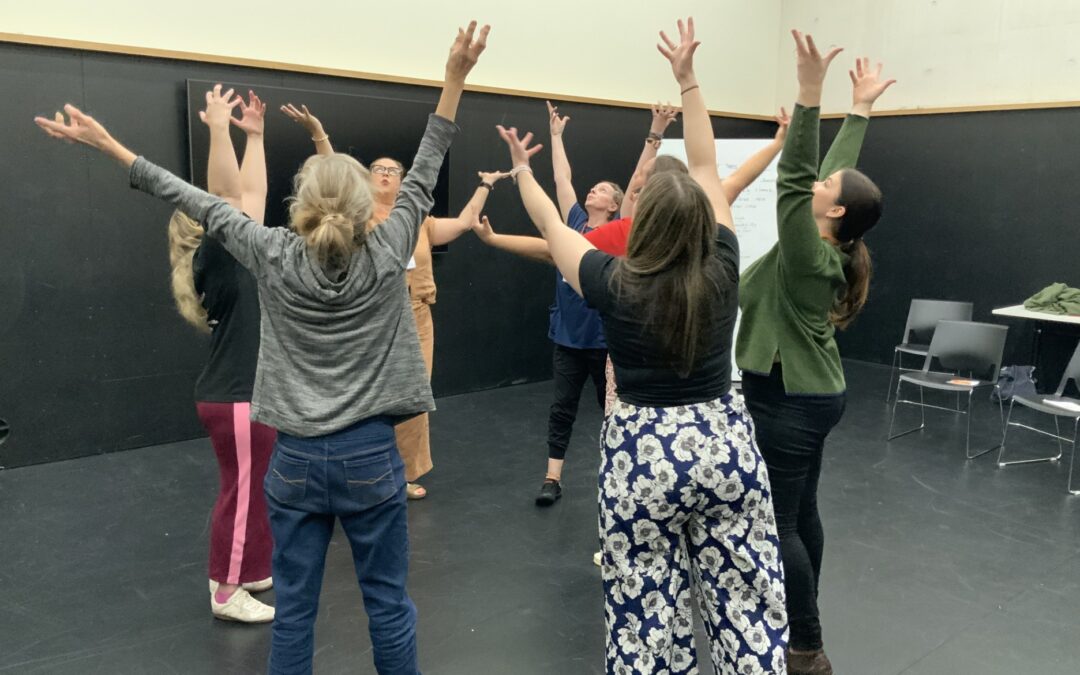
Using Freeze Frames to Spark Critical Thinking and Creativity in your Classroom
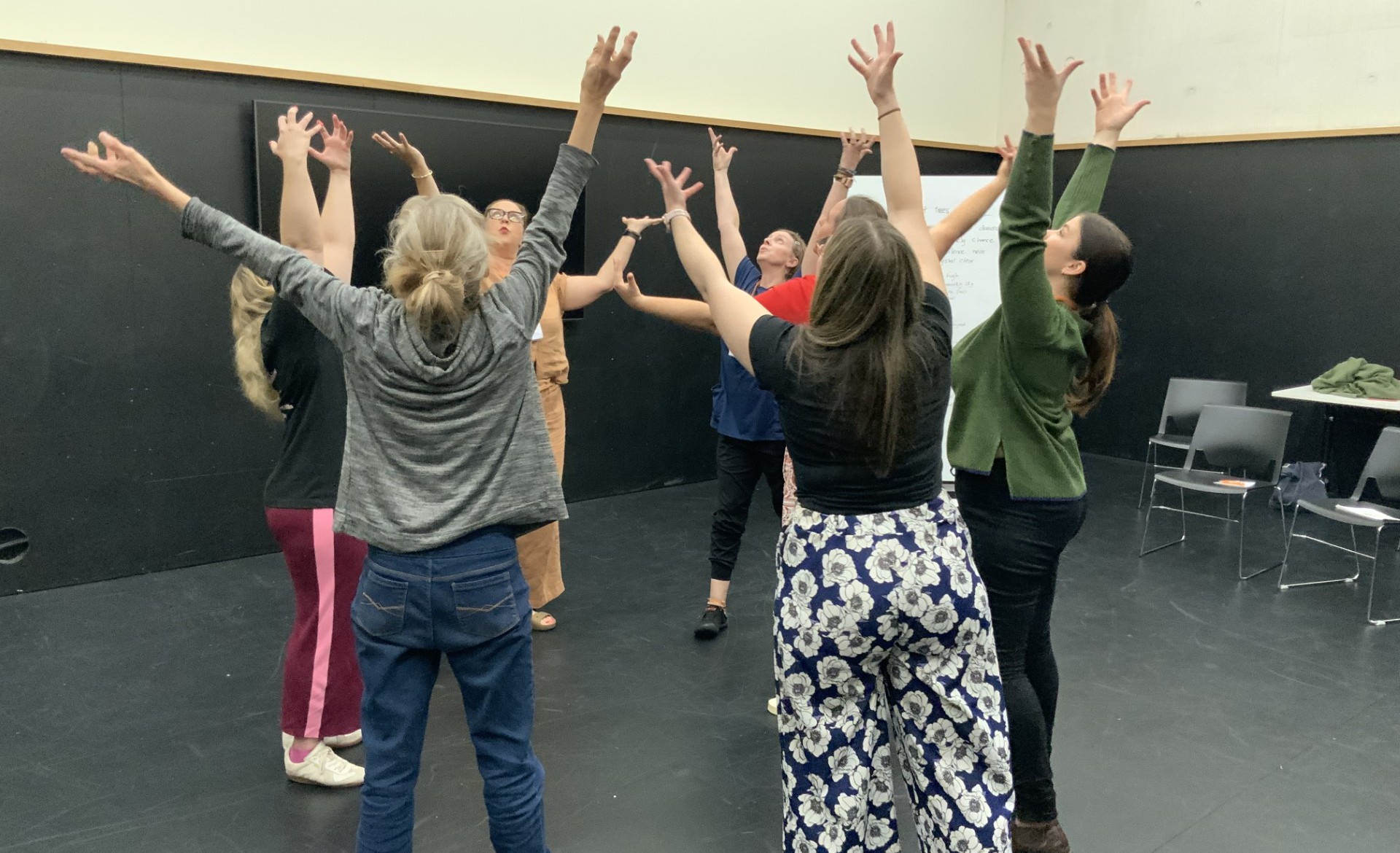
Use Freeze Frames in your Classroom
Freeze frames are a simple yet highly effective drama-based teaching strategy you can use across all learning areas to deepen understanding, encourage collaboration, and make learning visible. A freeze frame involves students using their bodies, facial expressions, and positioning to create a still image that represents a specific moment, idea, concept, event, or relationship. Working individually, in pairs, or in small groups, students “freeze” in position while their classmates observe, interpret, and discuss what they see.
What is a Freeze Frame?
While freeze frames are often associated with drama, they are valuable in every classroom because they help students move beyond simply recalling information.
A freeze frame is when students use their bodies to create a still picture that shows an idea, event, feeling, or moment. Like pressing pause on a movie, students “freeze” in position and use facial expressions, body language, and placement to communicate meaning without speaking. Others then observe the image and discuss what they think is happening, helping students explore and share their understanding in a visual and engaging way.
When creating and analysing freeze frames, students must think deeply about meaning, perspective, relationships, emotions, and context. This process strengthens critical thinking, communication, collaboration, and creative problem-solving skills.
Benefits of using Freeze Frames
- One of the greatest strengths of freeze frames is that they make thinking visible. Students who may struggle to express their ideas verbally can use movement, facial expressions, body language, and spatial positioning to communicate complex concepts. Teachers gain insight into student understanding while students develop confidence in expressing their ideas in different ways
- Freeze frames also encourage creativity because there is rarely one “correct” answer. Different groups can represent the same idea in unique ways, generating rich discussions about interpretation and meaning. These conversations help students compare perspectives, justify choices, and reflect on how artistic decisions influence audience understanding.
- Another benefit is engagement. Freeze frames are active, collaborative, and inclusive. They allow students to move, discuss, experiment, and learn from one another. This active participation can increase motivation and support deeper learning freeze frames require little preparation or specialised equipment; they are also an accessible strategy you can use spontaneously during lessons.
Teaching Tip: Bring Freeze Frames to Life
To deepen thinking, ask students to step out of the freeze frame and explain their choices. You might use prompts such as:
- What are you thinking in this moment?
- What happened just before this scene?
- What might happen next?
- Why did your group choose this position?
- What message are you communicating to the audience?
By combining movement, emboidment, imagination, discussion, and reflection, freeze frames become much more than a drama strategy.
Freeze frames become a powerful tool for helping students think critically, collaborate creatively, and make meaningful connections across the curriculum.
How can I use it in my teaching?
English: Represent key events, character relationships, settings, or themes from a text to explore meaning and perspective.
HASS: Recreate historical events, community stories, or social issues to examine different viewpoints and contexts.
Science: Model processes, life cycles, habitats, or scientific concepts through visual and physical representation.
Health: Explore emotions, relationships, decision-making, and wellbeing scenarios in a safe and engaging way.
The Arts: Respond to artworks, music, dance, and drama by expressing ideas, moods, and interpretations through freeze frames.
By physically, using embodiment, representing learning, students are encouraged to analyse, interpret, and discuss ideas in meaningful ways.
Caption Freeze Frames
- Students create a freeze frame in a group.
- The audience creates a title, caption, or headline for the image.
- Students explain whether the caption matches their intended meaning.
- Different captions can be explored to show how the same image may be interpreted in multiple ways by different audiences.
- Develops interpretation, communication, discussion, and critical thinking skills while encouraging students to justify their ideas and consider alternative perspectives.
Hot Seat Freeze Frames
- Students create a freeze frame in groups, showing a character, event, or important moment.
- Example: One student stays in character while the audience asks questions about the freeze frame, events, background, character and emotions, etc.
- The student answers as the character, explaining their thoughts, feelings, and actions.
- Students use clues and evidence to support their responses.
- This encourages critical thinking, empathy, perspective-taking, and oral communication skills.
- This can be used as a strating point in writing a character sketch
More Freeze Frame ideas
- Rolling freeze frames bring images briefly to life through movement and dialogue.
- Thought-tracking freeze frames reveal characters’ inner thoughts and feelings.
- Flashback freeze frames explore events from the past, while flashforward freeze frames imagine future possibilities.
-
Split-screen freeze frames place two freeze frames side-by-side to compare different perspectives, moments, or outcomes. This helps students explore contrasts, analyse viewpoints, and deepen their understanding of a topic.
Freeze Frames in Action
| Learning Focus | Freeze Frame Activity | Critical Thinking Questions |
| Exploring a Picture Book | Groups create a freeze frame of an important moment from the story. | What clues help us identify this moment? How might different characters be feeling? Example: Moon Mouse unit of work in resources, |
| Understanding Character Perspectives | Students create freeze frames showing the same event from different characters’ viewpoints. | How does perspective change the story? What details reveal each character’s experience? Example: Tom Appleby, Convict Boy by Jackie French unit of work in resources. |
| Visual Arts Inspiration | Students create a freeze frame inspired by a famous artwork or visual image. | What elements of the artwork are represented? How does a body communicate meaning? |
| Music and Emotion | Students listen to a piece of music and create a freeze frame that represents its mood. | What musical elements influenced your choices? Why? Example: Paint the Music lesson plan in resources. |
| Dance and Movement | Students freeze at key moments in a movement sequence. | What story or emotion is being communicated through body position? Example: Exploring the elements of dance through music: The Tiny Seed unit of work in resources. |
| Community Stories | Groups create freeze frames representing important local events, traditions, or community experiences. | Why is this moment significant? Whose voices are represented? |
| Sustainability Theme | Students create freeze frames showing environmental challenges and possible solutions. | What message does your image communicate? How could different audiences interpret it? Last Tree on Earth unit of work in resources |
| Indigenous Perspectives | Students respond to stories, artworks, or themes by creating symbolic freeze frames. | What symbols or ideas are being communicated? What meanings can be interpreted? |
| Reflection | At the end of a lesson, students create a freeze frame representing their learning journey. | What does your position represent? What was your most significant learning? |