
Teaching Resources

Designing Meaningful Arts Learning

Effective Arts learning begins with thoughtful planning. More than choosing engaging activities, teachers need to consider curriculum requirements, learner needs, inclusion, assessment, and context. By addressing these key elements, educators can create meaningful Arts experiences that support engagement, creativity, and success for all learners. This resource provides practical guidance to help you plan effective and inclusive Arts learning experiences.
Reflection as a Tool for Learning

Reflection is one of the most powerful yet often overlooked elements of teaching and learning. In classrooms, reflection gives students opportunities to think about what they learned, how they learned it, and what they might do differently next time. Rather than being an activity completed only at the end of a lesson, reflection can be embedded throughout the learning process to support deeper understanding, self-regulation, and metacognition.

Using Freeze Frames in your Teaching

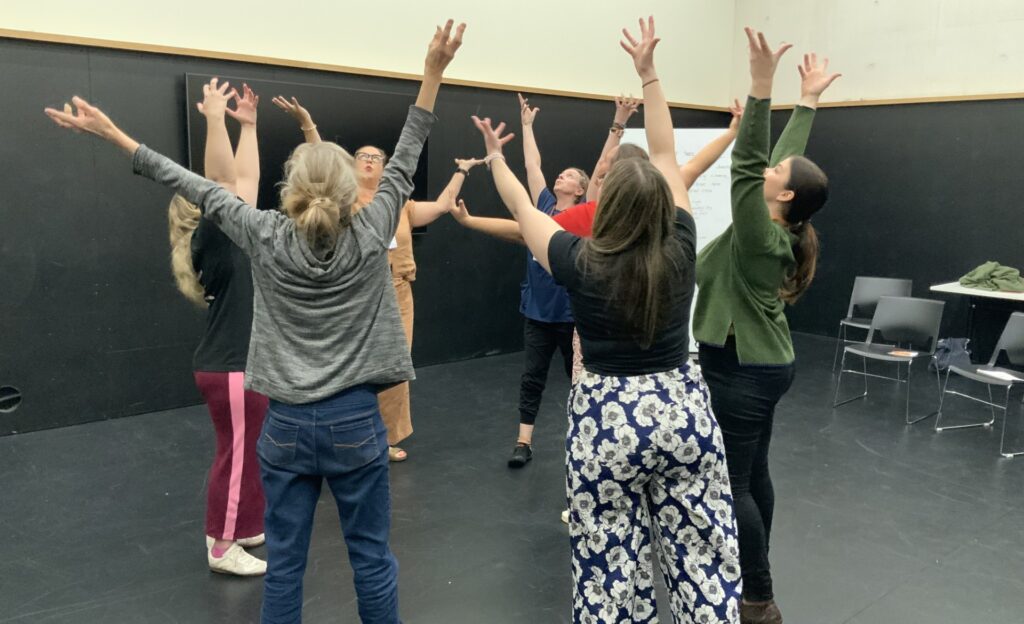
Freeze frames are a simple and engaging teaching strategy that can be used across all learning areas. Students use their bodies, facial expressions, and positioning to create a still image that represents a moment, idea, event, or relationship. As students create and discuss freeze frames, they explore different perspectives, emotions, and meanings, developing critical thinking, communication, collaboration, and creative problem-solving skills.

Teaching Strategies

PLEASE NOTE: Before your start, please consult the resources on the FOR AUTHORS page, and follow the guidelines for publishing a unit, including: Guidelines for Writing a Unit Plan Unit Plan Template (Word Document) Publishing Your Unit Checklist Year Level:[Add year...