
Click on the links below to read our latest news, updates and musings …
Designing Meaningful Arts Learning
Effective Arts learning begins with thoughtful planning. More than choosing engaging activities, teachers need to consider curriculum requirements, learner needs, inclusion, assessment, and context. By addressing these key elements, educators can create meaningful Arts experiences that support engagement, creativity, and success for all learners. This resource provides practical guidance to help you plan effective and inclusive Arts learning experiences.

Reflection as a Tool for Learning
Reflection is one of the most powerful yet often overlooked elements of teaching and learning. In classrooms, reflection gives students opportunities to think about what they learned, how they learned it, and what they might do differently next time. Rather than being an activity completed only at the end of a lesson, reflection can be embedded throughout the learning process to support deeper understanding, self-regulation, and metacognition.
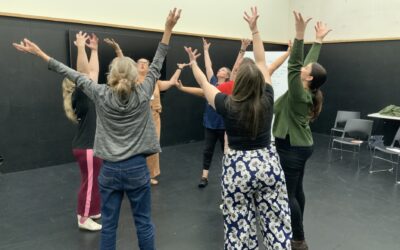
Using Freeze Frames in your Teaching
Freeze frames are a simple and engaging teaching strategy that can be used across all learning areas. Students use their bodies, facial expressions, and positioning to create a still image that represents a moment, idea, event, or relationship. As students create and discuss freeze frames, they explore different perspectives, emotions, and meanings, developing critical thinking, communication, collaboration, and creative problem-solving skills.
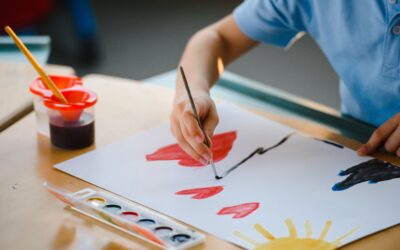
Why the Arts Matter in the Early Years
The arts are much more than opportunities for children to paint, sing, or perform. They give young children meaningful ways to explore ideas, express emotions, communicate experiences, and make sense of the world around them.
Through visual arts, music, drama, dance, and movement, children learn to observe, imagine, experiment, problem-solve, and share their thinking. These creative experiences support children’s natural curiosity and provide opportunities to learn through play and exploration.

Why Aesthetic Education Matters in the Primary Classroom
Creativity and Critical Thinking for Today's Learners In today's primary classrooms, creativity and critical thinking are recognised as essential capabilities for young learners. As children prepare for a complex and rapidly changing world, they need opportunities not...

Just how conventional are the Drama conventions?
If you’ve been teaching drama for any length of time, or even if you’re new to it, you’ve probably seen/heard the phrase “drama conventions” more times than you can count. It floats through curriculum documents, assessment descriptors, and teacher conversations like...

Practical Strategies to Create a Positive and Safe Drama Classroom Environment
Drama flourishes through imagination, risk-taking, and emotional expression — but none of that can occur unless students feel safe. The drama classroom is unlike any other space in the school: students are on their feet, talking, moving, and collaborating. That is why...

Meet Creative Arts Circles — Arts Education Resources Done Differently
Here’s the gist: a group of dedicated arts educators come together in “writing circles” to collaborate on high-quality teaching units for Dance, Drama, Media Arts, Music, and Visual Arts.