Drama

Designing Meaningful Arts Learning

Effective Arts learning begins with thoughtful planning. More than choosing engaging activities, teachers need to consider curriculum requirements, learner needs, inclusion, assessment, and context. By addressing these key elements, educators can create meaningful Arts experiences that support engagement, creativity, and success for all learners. This resource provides practical guidance to help you plan effective and inclusive Arts learning experiences.
Reflection as a Tool for Learning

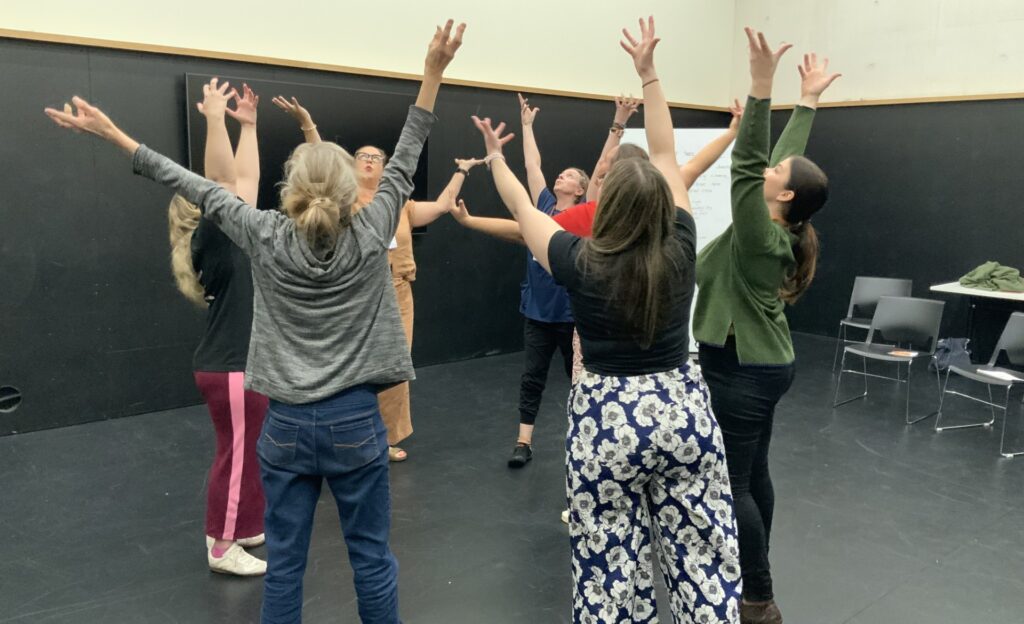
Reflection is one of the most powerful yet often overlooked elements of teaching and learning. In classrooms, reflection gives students opportunities to think about what they learned, how they learned it, and what they might do differently next time. Rather than being an activity completed only at the end of a lesson, reflection can be embedded throughout the learning process to support deeper understanding, self-regulation, and metacognition.

Using Freeze Frames in your Teaching

Freeze frames are a simple and engaging teaching strategy that can be used across all learning areas. Students use their bodies, facial expressions, and positioning to create a still image that represents a moment, idea, event, or relationship. As students create and discuss freeze frames, they explore different perspectives, emotions, and meanings, developing critical thinking, communication, collaboration, and creative problem-solving skills.

Why the Arts Matter in the Early Years

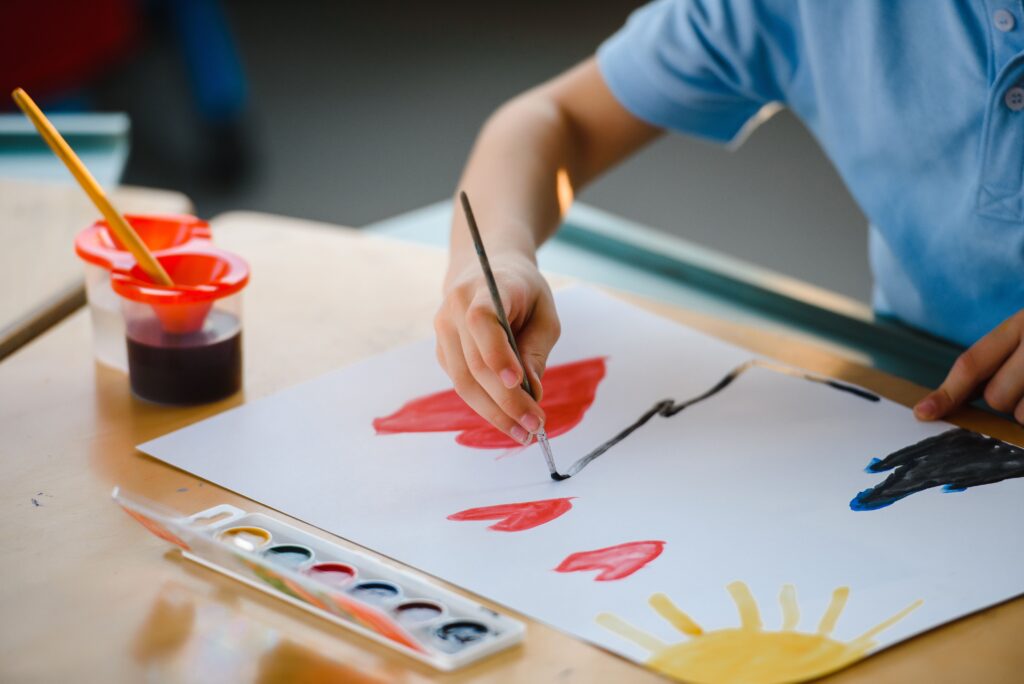
The arts are much more than opportunities for children to paint, sing, or perform. They give young children meaningful ways to explore ideas, express emotions, communicate experiences, and make sense of the world around them.
Through visual arts, music, drama, dance, and movement, children learn to observe, imagine, experiment, problem-solve, and share their thinking. These creative experiences support children’s natural curiosity and provide opportunities to learn through play and exploration.

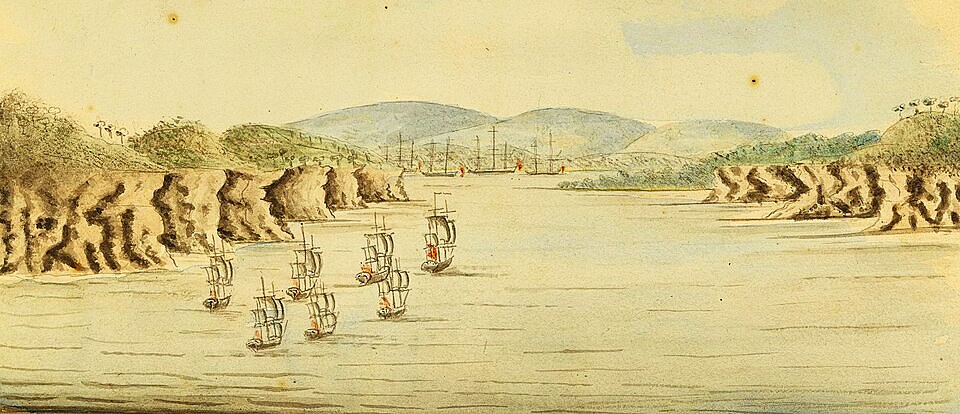
Walk a Mile in My Shoes: Perspectives from the First Fleet and Early Colonial Australia

This integrated Drama and Humanities and Social Sciences (HASS) unit invites students to explore the diverse perspectives, experiences, and motivations of people involved in Australia’s early colonies in the 1700s. Through collaborative research and group-devised drama, students investigate key moments in the history of colonisation while developing historical understanding, empathy, and creative expression. Suitable for upper primary students (8–11 years).

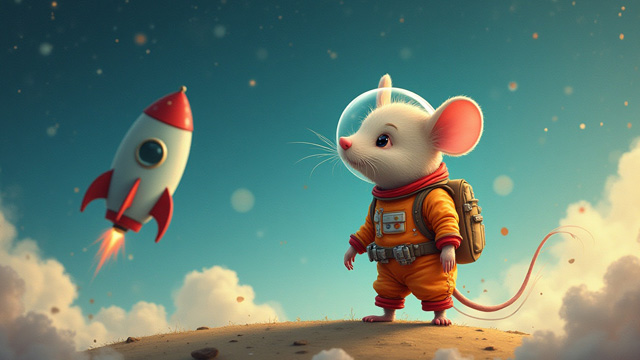
Finding Friends in Unexpected Places

The unit centres around the picture book Moon Mouse, inviting students to immerse themselves in the imaginative world of its protagonist—a curious mouse who dreams of making friends beyond his familiar surroundings. Through guided exploration of the story, students examine themes of loneliness, courage, and connection. Suitable for Years 3 and 4 (Ages 8 – 11)

Earth Guardians

Earth Guardians on a quest to gather information, wisdom, thoughts, wonderings, collective experiences to give voice to the last tree on earth. Suitable for students Years 3 – 6 (Ages 8 – 11).