
Why the Arts Matter in the Early Years
Creative Expression and Discovery
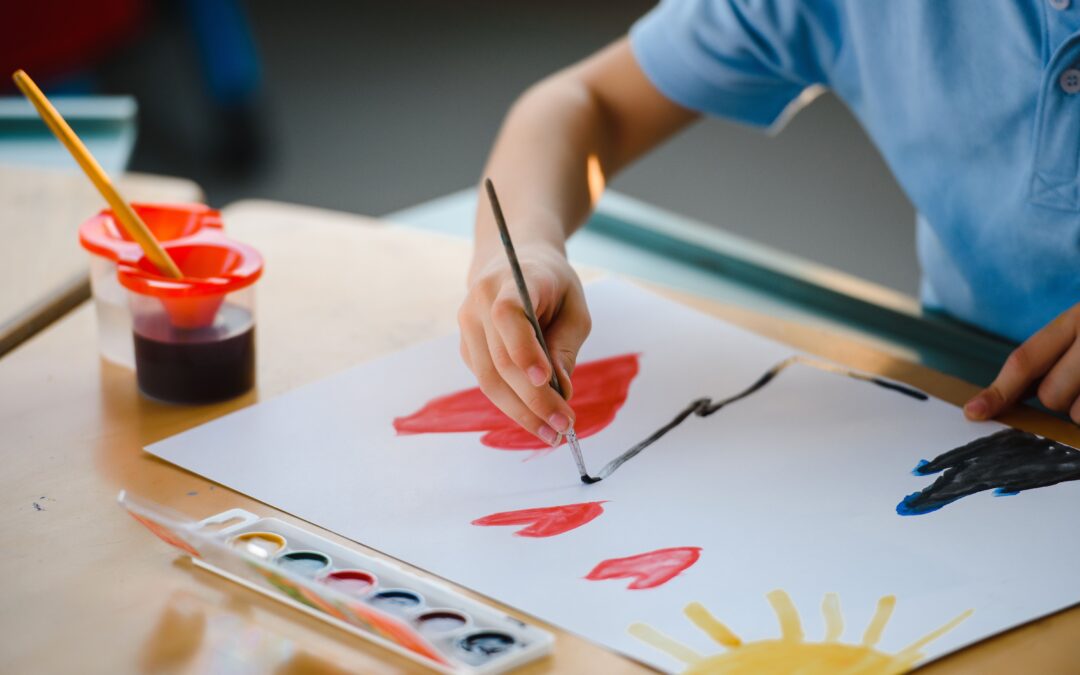
The arts are much more than opportunities for children to paint, sing, or perform. They give young children meaningful ways to explore ideas, express emotions, communicate experiences, and make sense of the world around them.
Learning Through Play and Creativity
Through visual arts, music, drama, dance, and movement, children learn to observe, imagine, experiment, problem-solve, and share their thinking. These creative experiences support children’s natural curiosity and provide opportunities to learn through play and exploration.
Valuing the Creative Process
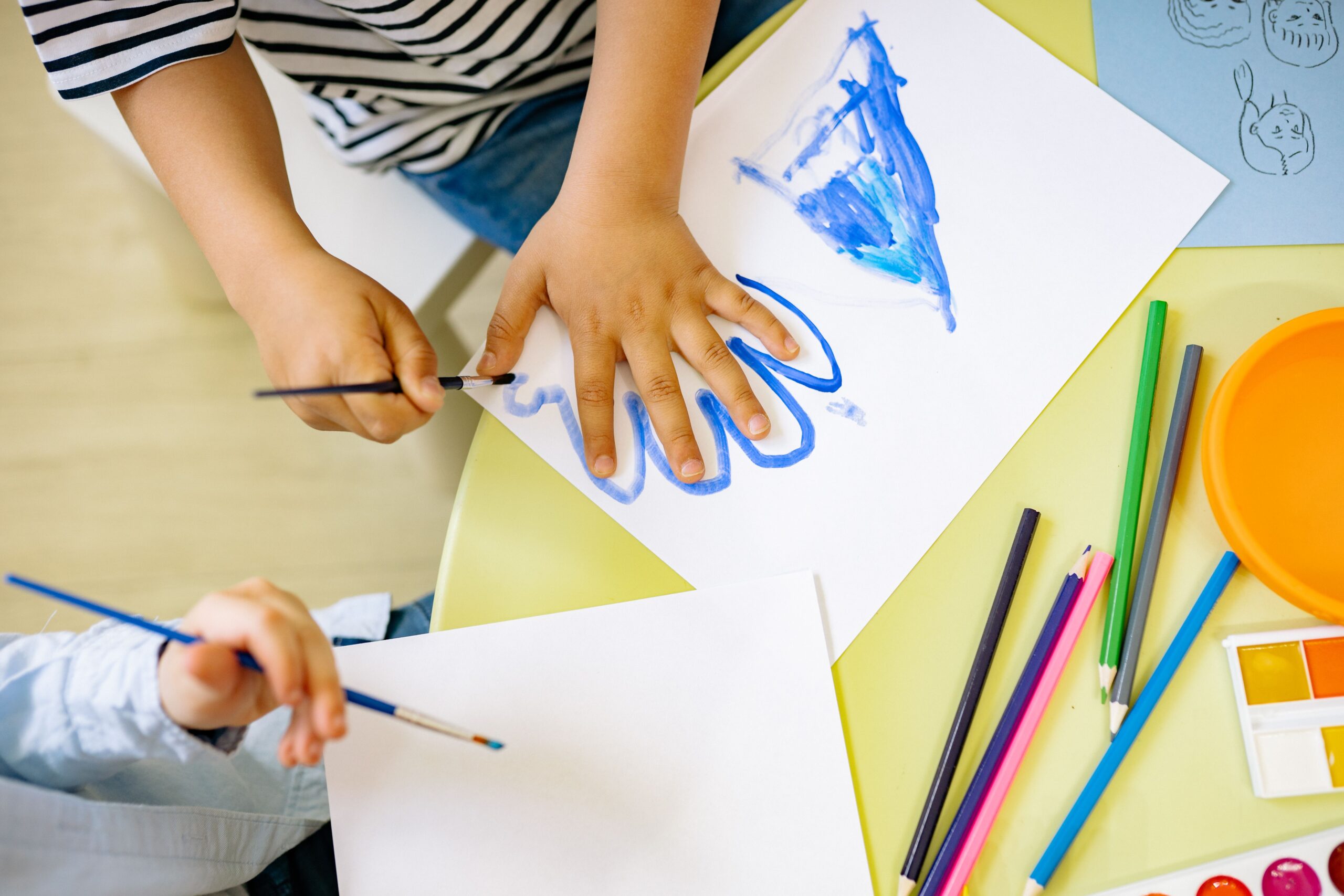
Rather than focusing on creating a perfect final product, effective arts education values the creative process. When children are given time to explore materials, make choices, and develop their own ideas, they build confidence, creativity, and independence.
Connecting Learning Across the Curriculum
The arts connect naturally with other areas of learning. Children can retell stories through drama, explore patterns through music, investigate the natural world through drawing, and communicate ideas through movement. These experiences support language development, social skills, critical thinking, and emotional wellbeing.
Creating Rich Learning Environments
For educators, the goal is to create learning environments that encourage creativity, imagination, and self-expression. By combining child-led exploration with thoughtful guidance, teachers can use the arts to support learning across the curriculum.
Skills for Life
When children have opportunities to create, perform, imagine, and respond through the arts, they develop skills that extend far beyond the classroom. The arts are not simply an addition to learning. They are a powerful way young children learn, communicate, and understand their world.
Practical Arts Activities for the Classroom
Preschool (3-5 years)
Nature Art Explorers
- Take children on a nature walk to collect leaves, sticks, flowers, and seed pods.
- Invite them to create collages or sculptures using their discoveries.
- Encourage discussion about textures, colours, and shapes.
- Storybook Drama
- Read a favourite picture book.
- Provide simple props and invite children to act out characters and events.
- Allow children to change the storyline and create their own endings.
Foundation (Prep)
Music and Movement Patterns
- Use percussion instruments or body percussion to create simple rhythmic patterns.
- Children copy, extend, and create their own patterns.
- Connect learning to early mathematics concepts such as sequencing and patterning.
- Self-Portrait Studio
- Provide mirrors, drawing materials, paint, and collage resources.
- Invite children to create self-portraits and talk about their unique features and interests.
- Display the artworks as a classroom gallery.
Year 1
Soundscape Stories
- Read a story or explore a local environment theme.
- Children use instruments, voices, and found objects to create sound effects that match events or settings.
- Present the soundscape while the story is retold.
- Check out the unit I Am Human in the Drama Resource section
- Painting Music
- Play a variety of contrasting musical pieces, such as a calm classical piece, an energetic jazz selection, or music inspired by nature.
- Invite students to listen carefully and respond through painting, drawing, or mixed-media art.
- Encourage discussion about how the music made them feel and how they represented those feelings through colour, shape, line, and texture.
- Compare artworks and explore how different children interpreted the same piece of music in unique ways.
- Check out the unit Painting the Music in the Music Resource section.
Year 2
Weather Through Dance
- Investigate different weather patterns.
- Children create movement sequences representing sunshine, wind, rain, or storms.
- Combine movements into a class performance.
- Check out the unit The Tiny Seed in the Dance Resource section.
- Environmental Puppet Theatre
- Explore topics such as caring for animals, recycling, or protecting natural spaces.
- Children design puppets, develop characters, and perform short puppet shows that communicate environmental messages.
- Check out our unit of work on The Last Tree on Earth in the Dance Resources section.
These activities place children’s ideas, choices, and creativity at the centre of learning while supporting literacy, numeracy, inquiry, communication, and social development through the arts.
0 Comments