Year 5

The Tiny Seed

Exploring the Elements of Dance Through Storytelling: The Tiny Seed

This lesson introduces young students to the elements of dance through imaginative movement and storytelling. Inspired by Eric Carle’s The Tiny Seed, students explore how their bodies can communicate ideas, emotions, and events without words. Through a series of engaging warm-up activities and a whole-class movement story, students learn to experiment with space, levels, dynamics, relationships, and body actions while bringing the journey of the seeds to life.
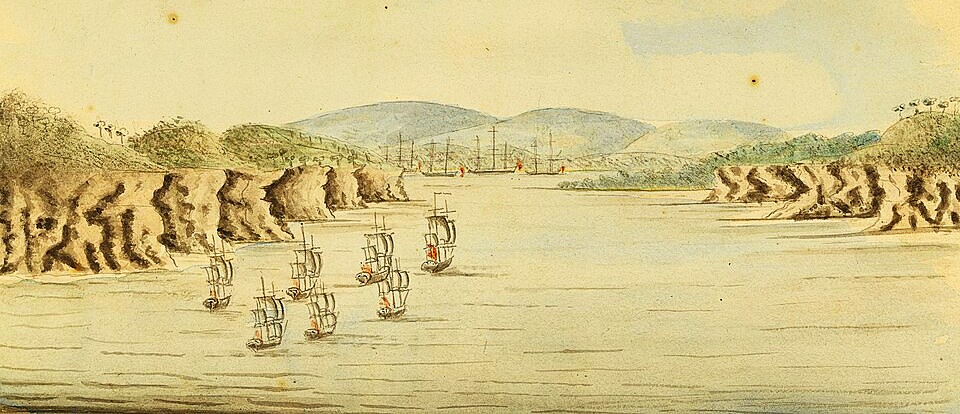
Walk a Mile in My Shoes: Perspectives from the First Fleet and Early Colonial Australia

This integrated Drama and Humanities and Social Sciences (HASS) unit invites students to explore the diverse perspectives, experiences, and motivations of people involved in Australia’s early colonies in the 1700s. Through collaborative research and group-devised drama, students investigate key moments in the history of colonisation while developing historical understanding, empathy, and creative expression. Suitable for upper primary students (8–11 years).

A Photo Essay: Telling Stories Through Images:

A photo essay is a powerful way to tell a story, share a message, or explain an idea through a series of photographs. Just like a written story, a photo essay has a beginning, middle, and end, and uses visual techniques such as shot types, framing, and sequencing to guide the audience and create meaning.

In this lesson, students will explore how images can be used to communicate ideas and inspire action. Through planning, storyboarding, photographing, and sequencing images, students will develop their storytelling, creativity, communication, and visual literacy skills. They will create a photo essay that conveys a clear message while making thoughtful choices about how media techniques can influence an audience. This learning experience also provides opportunities to connect Media Arts with other curriculum areas, such as Science, English, and Sustainability.

Why Movement Matters

Dance is a powerful way to learn, combining movement, creativity, communication, and self-expression. In primary school, dance gives children opportunities to develop physical skills such as coordination, balance, strength, and body awareness while nurturing their imagination and confidence. Through movement, students can explore ideas, express emotions, and tell stories beyond words.

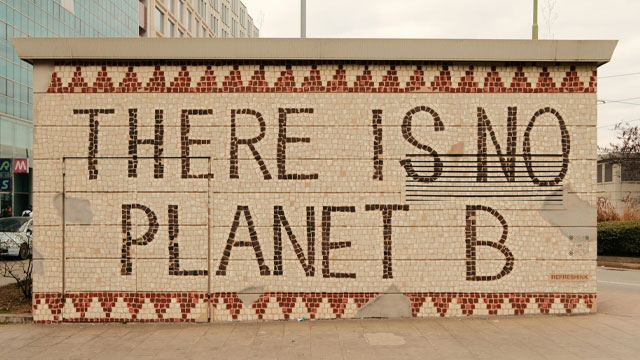
There is no Planet B

This unit of work explores the profound effects of climate change on our planet, using poetry as a lens. Suitable for students in Upper Primary and Junior Secondary classes.

Where Do I Fit In? / Where Do I Belong?

In this unit, students explore the concept of ‘belonging’ by first responding to a selection of symbolic items drawn from a mystery bag, and later by sharing objects from their own bags. Working in groups established early in the unit, they use a range of drama conventions to devise short scenes. Suitable for students Years 5 and 6 (Age 9 – 11)